Made to Order: What It Means, How It Works, and Why Customers Love It
Written by The Kickflip Team
January 22nd, 2026

Table Of Contents
Customer expectations have fundamentally shifted in the digital age. Today's consumers increasingly seek unique, personalized products that reflect their individual style and preferences. They're moving away from generic, mass-produced items that flood traditional retail channels.
This growing demand for customization has sparked a revolution in how ecommerce brands approach production and inventory management.
Made to order (MTO), also known as make-to-order or Build to Order (BTO), represents a production strategy where items are manufactured only after a confirmed customer order is placed. Rather than producing items in advance for stock, you manufacture based on actual demand. This approach minimizes finished-goods inventory, enables extensive customization, and aligns production directly with real customer demand.
For ecommerce brands, made to order offers a powerful solution to common inventory challenges. It unlocks new opportunities for differentiation and premium pricing. This comprehensive guide will explore how MTO cuts inventory risk, enables mass customization, and significantly boosts perceived value among customers.
You'll learn the differences between made-to-order and other production models. You'll understand the customer psychology that drives customization demand. And you'll see practical ways to implement this strategy using modern tools and technologies.
Made to Order vs Other Production Models
Made to Order vs Made to Stock (MTS)
Made to Stock (MTS), also known as build to stock, represents the traditional manufacturing approach. Products are produced based on demand forecasts and stored in inventory before orders arrive. This model prioritizes speed and immediate availability but comes with significant trade-offs.
Made to Order (MTO):
Inventory: Raw materials and components only
Lead Times: Longer (production + shipping)
Obsolescence Risk: Minimal
Customization: Extensive customization possible
Capital Requirements: Lower upfront investment
Made to Stock (MTS):
Inventory: Finished goods inventory
Lead Times: Immediate to 1-2 days
Obsolescence Risk: High risk of unsold stock
Customization: Limited to available SKUs
Capital Requirements: Higher inventory investment
Made to stock still makes sense for certain scenarios: low-cost, high-volume products with predictable demand, or when customers expect ultra-fast delivery times. However, the MTS model struggles with product variety, seasonal fluctuations, and the growing consumer preference for personalized products.
Made to Order vs Assemble to Order (ATO)
Assemble to Order (ATO) represents a hybrid approach. Pre-manufactured modules and components are assembled into final products after receiving customer orders. This model offers a middle ground between MTO flexibility and MTS speed.
Key Differences:
Speed: ATO typically offers faster delivery than full MTO since major components are pre-built
Complexity: ATO works best with modular products. MTO can handle completely custom designs
Customization Depth: MTO offers deeper customization options, including materials, colors, and engravings
Typical Industries: ATO is common in electronics and modular furniture.
ATO Examples in Ecommerce:
Custom watches with pre-made cases and configurable faces, bands, and movements
Modular furniture systems with standard components in various finishes
Configurable electronics where customers choose processors, memory, and storage options
Made to Order within Mass Customization
Mass customization represents the broader strategy of combining the efficiency of mass production with the personalization of custom manufacturing. Made to Order, Build to Order, and Assemble to Order all fall along this spectrum. Each offers different levels of customization and production efficiency.
Modern digital manufacturing tools have revolutionized what's possible with made-to-order production:
CNC machining enables precise, automated production of custom metal and wood products
3D printing allows for complex, personalized designs with minimal setup costs
On-demand printing supports custom graphics, text, and images on various materials
Visual configuration software bridges the gap between customer creativity and manufacturing precision
How Made to Order Works in Practice
The Basic Made-to-Order Workflow
Successful made-to-order operations follow a streamlined process. This workflow transforms customer specifications into finished products:
Customer Configuration: Shoppers uses a product configurator to select colors, materials, sizes, add custom text, upload logos, or choose customization options
Order Placement: The system captures all specifications and validates the configuration against production rules
Production Instructions Generated: Order data is automatically converted into manufacturing-ready specifications
Manufacturing: Items are produced according to exact customer specifications
Quality Control: Finished products are inspected to ensure they match order requirements
Shipping: Completed items are packaged and shipped directly to customers
The complexity of this workflow varies significantly between B2C ecommerce (custom jewelry, personalized apparel) and B2B scenarios (specialized equipment, corporate merchandise). The critical success factor is ensuring accurate, production-ready order data from the moment customers complete their configurations.
Where Inventory Lives in a Made-to-Order Model
Unlike traditional retail models that tie up capital in finished goods inventory, made-to-order businesses primarily maintain inventory of raw materials and components. This fundamental shift offers several advantages:
Raw Materials Focus:
Fabric rolls instead of finished garments in various sizes
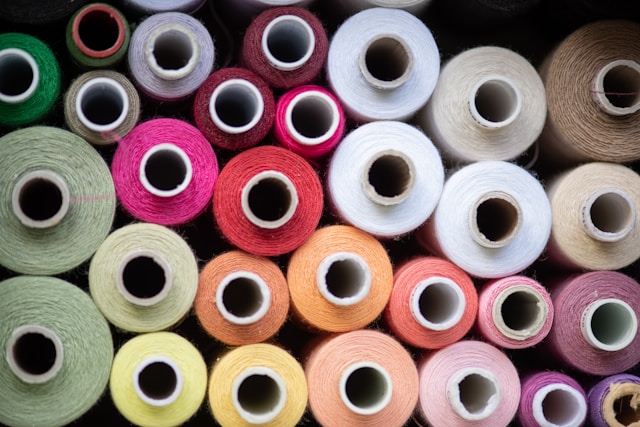
Metal stock instead of completed jewelry pieces
Wood planks instead of assembled furniture
Financial Benefits:
Significantly reduced capital tied up in inventory
Lower risk of obsolete or deeply discounted stock
Improved cash flow as customers often pay upfront
Supply Chain Considerations:
Dependency on reliable component suppliers
Need for buffer stock of critical materials
Longer lead times when specialty materials are required
Industries and Product Categories Using Made to Order
Made-to-order performs best in industries where customers value personalization, or a perfect fit more than instant shipping, and where a longer lead time feels like part of the premium experience.
Fashion and apparel
In fashion and apparel, brands like Nike have proven that shoppers will wait for products that reflect their identity, whether it’s custom colorways, personalized text, or limited-run designs. Made-to-measure players like Indochino also show how fit-driven purchases naturally lend themselves to production on demand.
Home and lifestyle
In home and lifestyle, companies like IKEA (with modular, configurable systems) and Burrow (customizable furniture setups) demonstrate how customers want control over dimensions, materials, and layouts. Platforms like Etsy continue to thrive on personalized décor, engraved items, and one-of-one pieces that feel uniquely theirs.
Sports and recreation
In sports and recreation, made-to-order is a natural match for team uniforms, custom equipment, and personalized gear — from customized jerseys to purpose-built setups — because performance and identity matter as much as aesthetics.
Across all these categories, the pattern is the same: higher perceived value, meaningful personalization, and customers who are happy to wait a bit longer to get something that feels truly made for them.
Why Customers Love Made to Order
The Psychology of Co-Creation and Ownership
Made-to-order taps into powerful psychological drivers. It transforms customers from passive buyers into active participants in the creation process. This co-creation dynamic fundamentally changes the relationship between consumer and product.
Emotional Investment:
When customers participate in designing their products, they develop a deeper emotional connection than with off-the-shelf alternatives. This investment of time and creative energy makes the final product feel uniquely theirs. It increases both satisfaction and the likelihood of positive reviews and referrals.
Perceived Value Enhancement:
The customization process itself adds perceived value beyond the physical product. Customers often willingly pay premiums of 20-40% for personalized items. Why? Because they view them as one-of-a-kind creations rather than mass-produced commodities.
Ownership Pride:
Products that customers help create become extensions of their identity. This psychological ownership leads to increased product satisfaction, longer product lifecycles, and stronger brand loyalty.
The Appeal of Uniqueness and Self-Expression
In an increasingly connected world, the desire to stand out and express individuality has become more pronounced. Made-to-order products serve as vehicles for personal expression and differentiation.
Fashion and Lifestyle Expression:
Customizable products allow customers to align their purchases with their personal aesthetic, values, and lifestyle choices. Whether it's selecting sustainable materials, incorporating meaningful text, or choosing colors that match their style, customization enables authentic self-expression.
Social Sharing Value:
Unique, personalized products generate significantly more social media engagement than generic items. Customers love sharing their custom creations. This provides valuable word-of-mouth marketing for brands while reinforcing their own creative identity.
Gift-Giving Enhancement:
Personalized products make exceptional gifts because they demonstrate thoughtfulness and effort. Custom engravings, monograms, or designs created specifically for the recipient show a level of care that mass-produced gifts cannot match.
Trust, Quality, and Perceived Craftsmanship
The made-to-order model inherently communicates quality and attention to detail, even before customers receive their products.
Craftsmanship Perception:
Products "made just for you" carry an implicit promise of careful attention and skilled craftsmanship. This perception often justifies premium pricing and creates positive quality expectations.
Transparency Benefits:
Successful made-to-order brands build trust through transparency about their production process, lead times, and quality standards. Clear communication about timelines and progress updates during production enhances the customer experience and builds anticipation.
Quality Assurance:
Because each item is made individually after order placement, customers often perceive made-to-order products as receiving more quality attention than mass-produced items. This perception can be reinforced through personalized packaging, quality certificates, or production photos.
Enabling Made to Order in Ecommerce
Why a Configurator is Critical for Modern Made to Order
Traditional approaches to capturing custom product specifications create friction and errors that undermine the made-to-order experience. Basic dropdown menus, text fields, or manual consultation processes simply don't cut it anymore. Modern visual configuration software solves these fundamental challenges.
How Visual Configurators Transform Made-to-Order:
Real-Time Visual Previews: Customers see exactly how their choices affect the final product appearance
Dynamic Pricing: Prices update automatically as customers select different options and add-ons
Validation Rules: Built-in constraints prevent impossible combinations and ensure manufacturability
Production-Ready Output: Configurations generate precise specifications and files for manufacturing
How Kickflip Powers Made-to-Order Experiences
Kickflip serves as the technological foundation that transforms made-to-order from concept to scalable reality. As a no-code visual configuration software, Kickflip enables ecommerce brands to offer sophisticated customization without complex technical implementation.
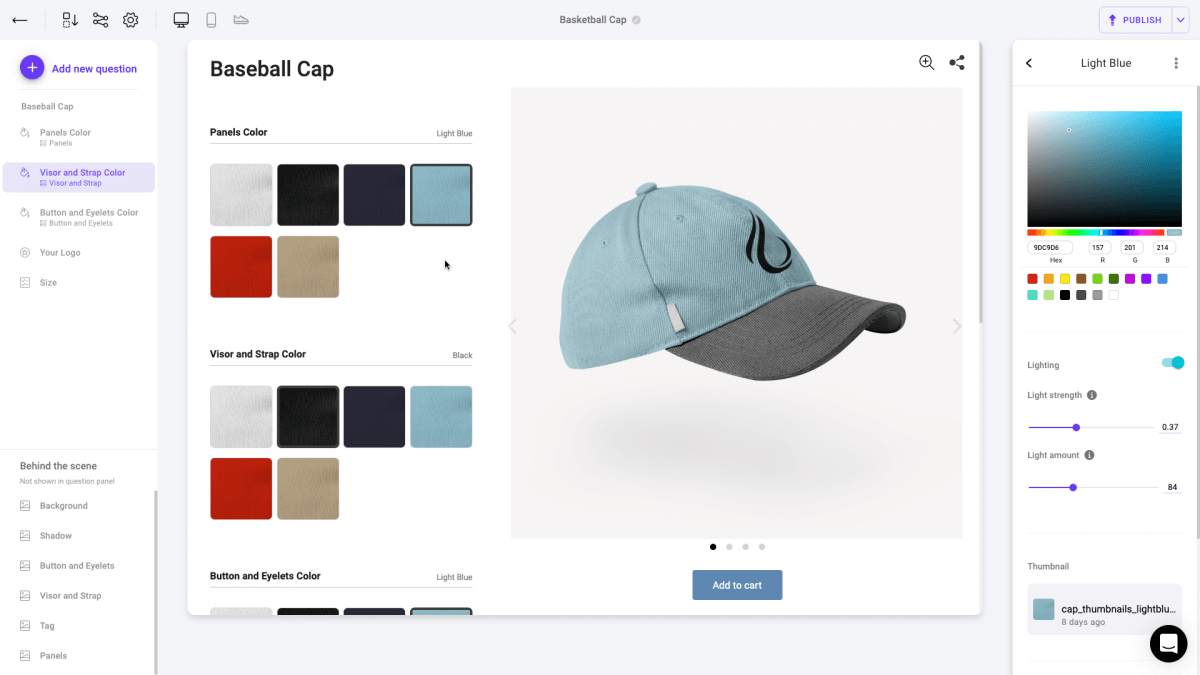
Kickflip integrates with your ecommerce store seamlessly. It plugs into existing Shopify, Wix, and WooCommerce stores within minutes. This integration ensures that customized products work with existing inventory management, payment processing, and order fulfillment systems.
Handling Bulk and B2B Made-to-Order Orders
Team merchandise, corporate gifts, and promotional items represent significant opportunities for made-to-order businesses. But these bulk orders require specialized capabilities:
Team Merchandise Use Cases:
Custom jerseys where each team member needs individual names and numbers
Corporate merchandise with employee names and departments
Event merchandise with participant-specific information
Bulk Order Complexity:
Unlike individual consumer orders, bulk orders often involve multiple stakeholders, approval processes, and complex personalization requirements. Traditional made-to-order systems struggle with orders containing dozens or hundreds of individually customized items.
Kickflip's Bulk Ordering Solution:
Kickflip's bulk ordering feature streamlines multi-item personalization. It allows customers to upload spreadsheets with individual specifications, review all items in a single interface, and place orders with consistent pricing and production timelines. This capability opens substantial B2B revenue opportunities while maintaining operational efficiency.
Best Practices for Launching (or Improving) a Made-to-Order Strategy
Designing the Right Customization Options
Successful made-to-order implementations balance creative freedom with operational efficiency. The key lies in offering meaningful choices without overwhelming customers or complicating production:
Choosing Options That Matter:
Color Variations: Offer 6-12 carefully curated color options rather than unlimited choices
Material Upgrades: Provide clear value distinctions between standard and premium materials
Personalization Elements: Focus on high-impact customization like names, dates, logos, or meaningful text
Sizing Options: Ensure proper size charts and fit guides to reduce returns
Functional Features: Include options that affect product performance or usability
Avoiding Option Overload:
Research shows that too many choices can paralyze customers and reduce conversion rates. Limit each customization category to 3-8 meaningful options. Use progressive disclosure to reveal advanced options only when relevant.
Managing Lead Times and Customer Expectations
Transparency and realistic timeline communication are crucial for made-to-order success:
Setting Realistic Production Timelines:
Buffer Time: Include buffer time for quality control, potential material delays, and peak period capacity constraints
Clear Segmentation: Offer different timeline options (standard vs. expedited) with corresponding pricing
Seasonal Adjustments: Communicate extended lead times during peak periods well in advance
Communication Best Practices:
Product Page Clarity: Display estimated production and shipping times prominently on product pages
Checkout Confirmation: Reinforce timeline expectations during the checkout process
Order Tracking: Provide regular updates about production progress and shipping status
Proactive Communication: Contact customers immediately if delays are anticipated
Premium Experience Elements:
Rush Production Options: Offer expedited production for customers willing to pay premium fees
Premium Packaging: Use custom packaging that reinforces the special nature of made-to-order products
Progress Photos: Share images of products during production to build excitement and demonstrate craftsmanship
Technology Implementation Strategy
Successful made-to-order implementation requires careful technology planning:
Start with a Pilot Product Line:
Begin with a single product category that offers clear customization value. This approach allows you to refine processes, identify operational challenges, and build customer confidence before expanding.
Integration Planning:
Ensure your chosen configurator integrates with your ecommerce store seamlessly. It needs to work with existing inventory management systems and production workflows. Poor integration creates operational friction that undermines made-to-order benefits.
Scalability Considerations:
Choose solutions that can grow with your business. Consider factors like order volume capacity, additional product line support, and international expansion capabilities.
You don't need to bite the bullet on a massive, complex implementation. Start with a focused pilot. Prove the concept. Then expand based on what you learn from real customer behavior and production realities.
Final Thoughts
Made-to-order represents more than just a production strategy. It's a growth lever that can differentiate your brand, improve margins, and create deeper customer relationships.
The benefits for customers are clear: uniqueness, co-creation satisfaction, and perceived premium quality. For brands, the advantages include inventory efficiency, premium pricing opportunities, and operational differentiation that competitors struggle to replicate.
The key to successful made-to-order implementation lies in choosing the right technology foundation. Visual configuration software bridges the gap between customer creativity and manufacturing precision. It enables scalable customization without operational complexity.
Kickflip's no-code platform empowers businesses to implement sophisticated made-to-order experiences, transforming the theoretical benefits of mass customization into practical business results.
Whether you're looking to pilot your first customizable product line or scale an existing made-to-order operation, Kickflip provides the technological foundation that makes sophisticated customization accessible and profitable. Start your journey toward scalable made-to-order success by exploring how Kickflip can transform your customer experience and business operations.
Frequently Asked Questions About Made to Order
What does "made to order" mean?
Made to order (MTO) is a production strategy where items are manufactured only after a confirmed customer order is placed. Rather than producing items in advance for inventory, you manufacture based on actual customer demand. This approach minimizes finished-goods inventory, enables customization, and aligns production directly with real customer demand.
How is made to order different from made to stock?
Made to stock produces items based on demand forecasts and stores them as inventory. Made to order begins production only after receiving customer orders. MTO typically involves longer lead times but offers greater customization options, lower inventory costs, and reduced risk of obsolete stock. You can find a detailed breakdown of pros and cons in various industry guides.
What is the difference between made to order and assemble to order?
Assemble to order (ATO) uses pre-manufactured components that are assembled after orders are received. Made to order can involve manufacturing products entirely from raw materials. ATO typically offers faster delivery than full MTO but provides less customization depth.
Is a made-to-order model suitable for smaller ecommerce brands?
Yes. Made-to-order can be particularly beneficial for smaller brands because it requires less upfront capital investment in inventory. It allows for testing market demand without large production runs. Modern visual configurators make MTO accessible even for small businesses.
Why do customers often prefer made-to-order products, even with longer lead times?
Customers value the uniqueness, personalization, and co-creation experience that made-to-order provides. The ability to create something uniquely theirs often outweighs the inconvenience of waiting. This is especially true for higher order value purchases, gifts, or products where personalization adds significant meaning.
Future reading
What is mass customization
What is the Goal for Mass Customization?
Revolutionizing Ecommerce with Mass Customization: How Kickflip is Leading the Way
Share This article

Written by The Kickflip Team
January 22nd, 2026
The Kickflip team is made up of ecommerce specialists, product experts, and engineers behind Kickflip, a product configurator platform for Shopify, WooCommerce, and Wix. Since 2010, we’ve helped thousands of brands scale personalized product experiences, from startups to Fortune 500 companies. On our blog, we share practical insights to help you improve the buying experience and grow your business with product customization.


Maarten Luyckx
Osaka World
The user-friendly interface of Kickflip, combined with excellent customer service, ensured that this project was brought to a successful and beautiful conclusion.
Shopify App Store
May 20, 2021

Marie-Laetitia Rossazza
My Dust Bag
It took me a long time to find the perfect customizer app, and I’m so happy to say that I finally did! Kickflip is truly the best app on the market. The front end and back end are excellent, and the team behind it is incredibly kind and helpful!
Shopify App Store
September 1, 2023

Brad Jurga
All-Star Sporting Goods
Kickflip made everything easy, from designing the builder all the way through launch. We’re designing truly custom equipment for elite baseball players and this platform allows us to have better engagement and excitement around our brand. We’re seeing an instant return.
Shopify App Store
June 16, 2025

Kasper Taylor
CodedInk
My experience with both the product and the support team has been fantastic. The user interface and user experience are excellent. The features are powerful, and the WooCommerce integration is seamless and easy to set up.
G2.com
June 16, 2025

Saber Naceur
Vinylacy
By far, and I truly mean it, the best customizer available on Shopify. It’s easy to understand and manage, offers options for all types of products, and works extremely well. On top of that, it looks beautiful and feels premium. Highly recommended.
Shopify App Store
December 17, 2022

Jesus Guillermo de León Pérez
Dismo
Kickflip is a fantastic tool. It’s super intuitive, easy to use, and packed with capabilities. You don’t have to be an expert or have experience with other products to get started. The support team is also great and very responsive.
Shopify App Store
July 10, 2024

Frieder Urban
Era of Arc
We were looking for an uncomplicated configurator that was quick and easy to set up, offered plenty of design options, and worked reliably with fast loading times. We tested many configurators on the market, and with Kickflip, we found exactly what we needed.
Shopify App Store
October 10, 2024

John Taggart
Jack Harry and Ollie
What a great addition to our business Kickflip has been. It’s been fantastic to offer our customers the ability to personalize their orders. The support has been excellent, and we especially love that the pricing is tied to our success as customers make purchases.
Shopify App Store
May 7, 2021

TJ Garske
The Net Return
Kickflip saves our team a ton of time by eliminating the need to create custom mockups for customers. Customers can build their product themselves and place an order instantly, without any back-and-forth.
G2.com
January 26, 2026

Amin Hasani
CURVD
After extensive research into product customizer tools, we chose Kickflip for many reasons. We don’t like complicating simple tasks for customers, and Kickflip helped us simplify the process and create a seamless customer experience.
Shopify App Store
July 29, 2025