Best BigCommerce Alternatives
Written by Édouard Grondin-Fortin
February 15th, 2026

Table Of Contents
- Why Merchants Look for a BigCommerce Alternative
- Criteria for Choosing the Best BigCommerce Alternative
- Best BigCommerce Alternatives for Customizable Products
- Platform Comparison for Product Customization
- Migration and Implementation Strategy
- Transform Your Product Customization Experience
- Frequently Asked Questions
If you're evaluating the best BigCommerce alternative, chances are you've hit a wall with product customization. You're not alone. Many merchants find BigCommerce limiting when trying to offer advanced, user-friendly product personalization that today's customers expect. Whether it's creating visual product builders, managing complex pricing rules, or delivering seamless customization flows, these constraints can directly impact your sales and brand positioning.
BigCommerce is a hosted ecommerce platform that provides online store functionality, payment processing, and basic product management. While it serves many merchants well for standard catalog selling, it often falls short when businesses need sophisticated product customization capabilities. There's no universal best platform for everyone, but some excel specifically for brands selling configurable or personalized products.
The strongest BigCommerce alternatives for product customization are typically Shopify and WooCommerce, with Wix and enterprise platforms like Adobe Commerce serving specific niches. This article focuses on platform fit specifically for brands that need advanced product configurators and personalization tools. We'll also explore how specialist solutions like Kickflip can transform your customization experience on these alternative platforms.
Why Merchants Look for a BigCommerce Alternative
Common Pain Points with BigCommerce
The most frequent frustrations merchants experience with BigCommerce center around limited flexibility for complex product options and personalization flows. Unlike platforms with robust app ecosystems, BigCommerce often constrains merchants trying to add visual product builders or advanced customizers through third-party applications.
Theme customization becomes particularly challenging when dealing with multiple product options, variant combinations, and dynamic pricing. Many merchants report performance issues when adding tons of options, leading to slower page load times and poor user experience. The checkout experience can also become cumbersome when handling personalized products with unique specifications.
The app marketplace limitations become apparent when merchants need sophisticated product configurators. While BigCommerce offers some customization apps, the selection and functionality often pale in comparison to what's available on platforms like Shopify or through WordPress plugins for WooCommerce.
When BigCommerce Still Works Well
BigCommerce remains a solid choice for merchants with straightforward product catalogs, standard variants, and minimal customization needs. The platform excels in multi-channel selling, built-in SEO features, and handling high-volume transactions without additional transaction fees.
For businesses selling simple products with basic color or size options, BigCommerce's native variant system often suffices. The platform also works well for merchants who prioritize built-in features over extensive third-party integrations.
Signals It's Time to Switch
Several clear indicators suggest it might be time to consider a BigCommerce alternative:
The inability to launch the product customization experience your customers expect
Constantly seeking workarounds or requiring heavy custom development to manage options and pricing
Difficulty finding or implementing a suitable product customizer app that meets your brand's standards
Competitors offer superior personalization experiences that you cannot replicate on BigCommerce
When these issues start impacting your ability to increase order value and deliver a premium experience, the business case for switching becomes compelling.
Criteria for Choosing the Best BigCommerce Alternative
Platform Flexibility and Customization Options
The ideal BigCommerce alternative should support complex product options and business rules without extensive workarounds. Look for platforms that offer granular control over storefront design and user experience, particularly for product configurator integration. The platform should handle both simple personalization (color, size, text) and complex configurations (multi-component products, conditional options, advanced pricing rules).
App and Plugin Ecosystem Strength
A rich marketplace of product customizer and configurator applications indicates platform maturity and developer support. Evaluate not just the quantity but quality of available solutions, including user reviews, ongoing development, and long-term vendor support. Having multiple strong options provides flexibility and reduces dependency on a single solution.
Integration Capabilities
Seamless integration pathways matter enormously for product configurators. Platforms offering no-code or low-code integration options reduce implementation complexity and ongoing maintenance burden. The ability to embed customizers naturally within product pages, as popups, or even on homepages provides design flexibility.
Pricing synchronization capabilities and variant management become critical considerations. Some platforms handle unlimited product variations better than others, affecting how sophisticated your customization offerings can become.
Scalability and Performance
As your business grows, the platform should handle increased traffic and expanding customizable product catalogs without performance degradation. Mobile optimization for personalized products directly impacts conversion rates, as mobile commerce continues growing.
Built-in security, payment processing reliability, and multi-channel selling readiness ensure long-term viability. The platform should grow with your business rather than becoming a constraint.
Total Cost Considerations
Platform subscription fees represent just one cost component. Factor in:
Hosting expenses (for self-hosted options)
Premium app costs
Developer resources
Ongoing maintenance requirements
Consider your internal technical capabilities when evaluating whether to choose hosted solutions or platforms requiring more hands-on management.
Best BigCommerce Alternatives for Customizable Products
Shopify: The Leading Alternative

Shopify consistently ranks as the top BigCommerce alternative, particularly for merchants prioritizing product customization. The platform's extensive app ecosystem includes numerous high-quality product customizer solutions, from simple personalization tools to sophisticated visual configurators.
Shopify's strength lies in its balance of usability and functionality. The platform handles customizable products effectively, though it does have a 100-variant limit for standard products. However, modern customizer tools can bypass this limitation through cart transformation techniques that dynamically manage pricing without relying on Shopify's variant system.
Key advantages include:
Ease of use without sacrificing power
Excellent scalability
Robust multi-channel selling capabilities
Strong mobile performance
Some limitations include less backend control compared to open-source alternatives and potential restrictions for highly unique use cases requiring extensive custom development. Kickflip integrates natively with Shopify, offering cart transformation functionality that eliminates variant limits while providing live previews and dynamic pricing.
WooCommerce: Maximum Flexibility
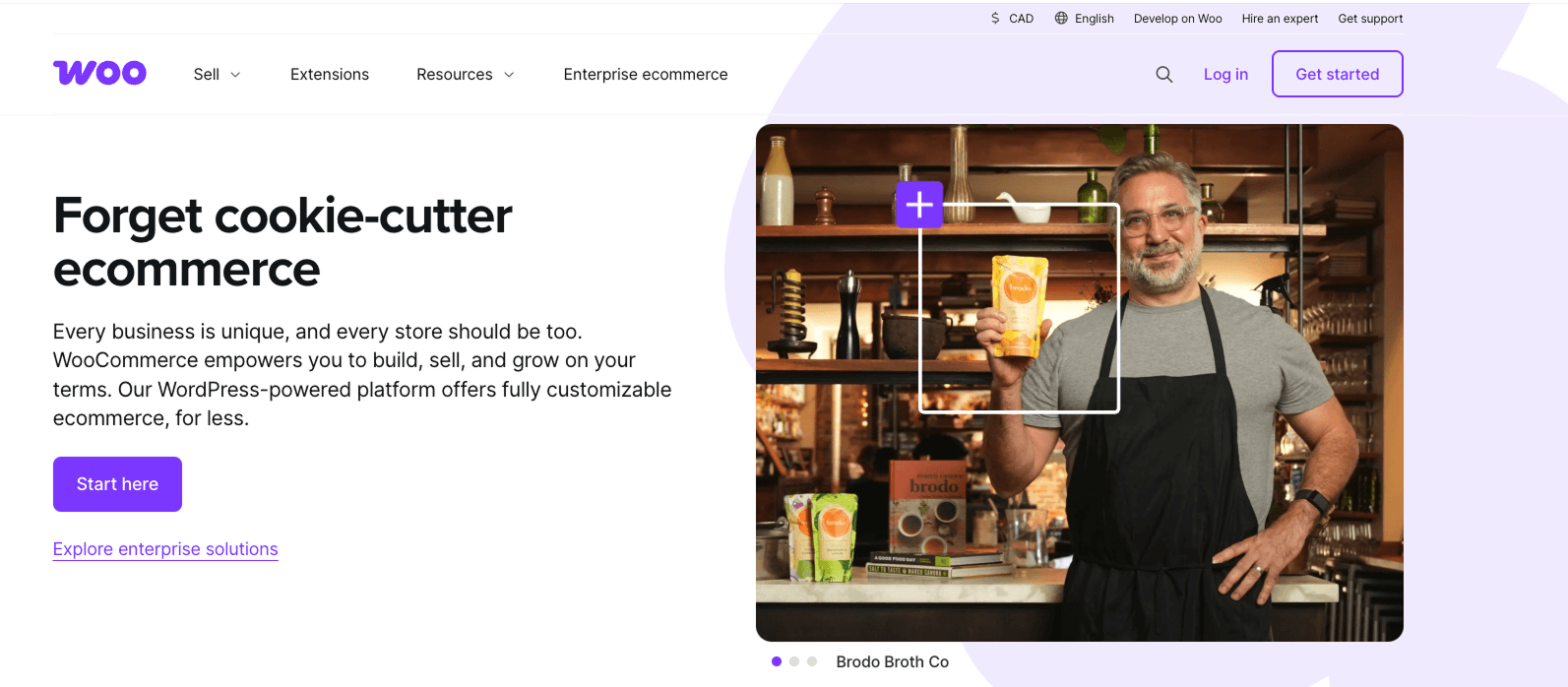
As a WordPress plugin, WooCommerce offers unparalleled flexibility for shaping product catalogs and checkout flows. The open-source nature means merchants have complete control over their ecommerce implementation, making it ideal for unique customization requirements.
WooCommerce's massive plugin ecosystem includes multiple product customizer and configurator options, from basic personalization tools to enterprise-grade configuration systems. This diversity ensures merchants can find solutions matching their specific needs and budget requirements.
The platform benefits merchants who want full control over:
Hosting and performance
Data management
Integration with existing WordPress websites
Content-rich stores where product customization integrates with extensive educational or marketing content
Tradeoffs include increased responsibility for technical maintenance, security updates, and performance optimization. Merchants need either internal technical expertise or reliable developer partnerships to maximize WooCommerce's potential.
Kickflip provides a dedicated WooCommerce plugin, including support for quote-based workflows that work well for B2B customization scenarios.
Adobe Commerce: Enterprise-Grade Power
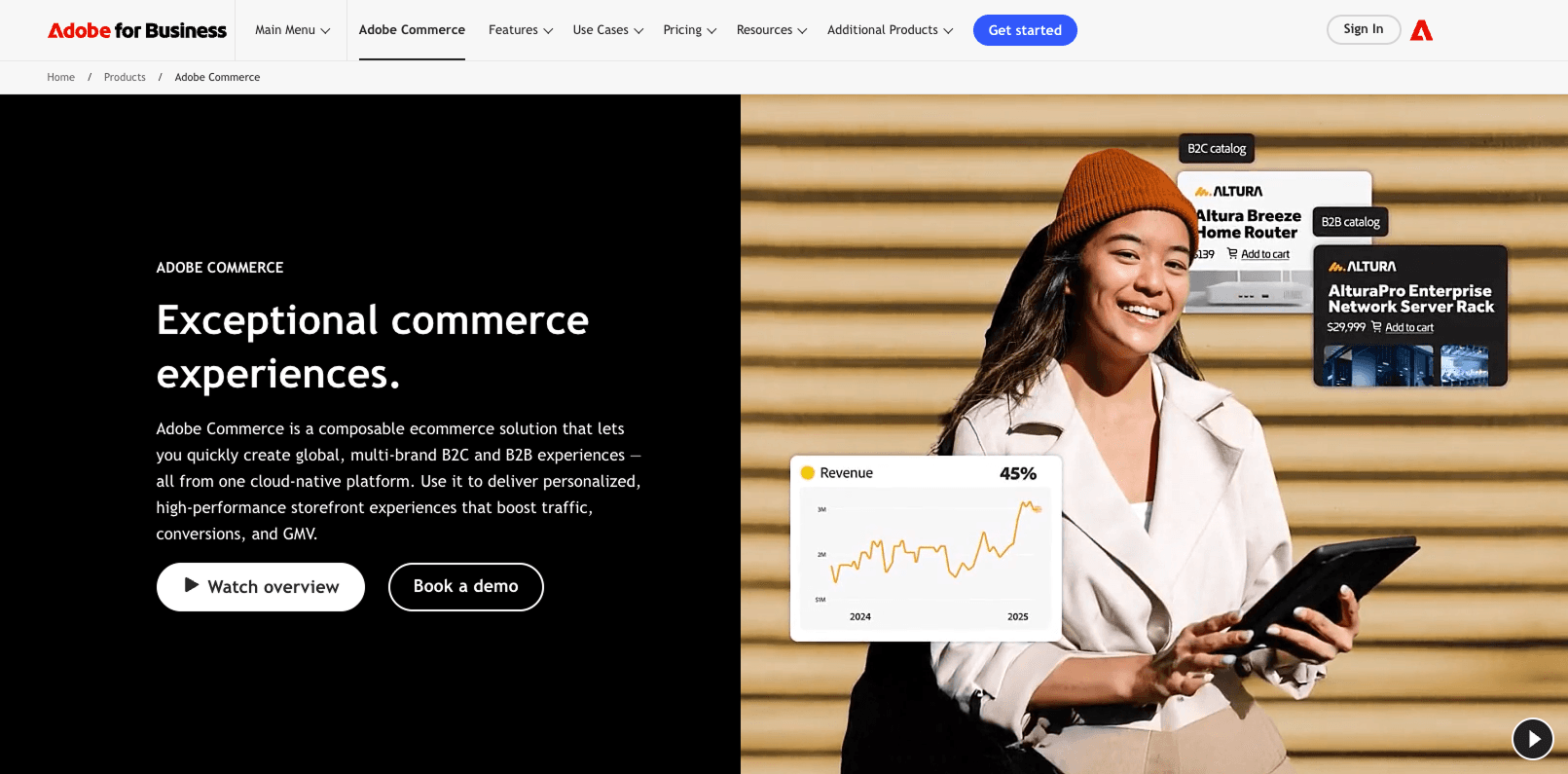
Formerly known as Magento, Adobe Commerce provides highly customizable architecture for complex businesses with sophisticated requirements. The platform's modular design supports custom workflows, extensive product catalogs, and intricate business rules.
The extension marketplace includes advanced product configuration options suitable for:
B2B scenarios
Complex manufacturing workflows
Enterprise-scale customization programs
Multi-site deployments
Advanced inventory management
Sophisticated pricing structures
This platform makes sense for larger organizations with dedicated technical teams and complex requirements that justify the higher implementation costs and longer setup timelines. It's particularly strong for businesses needing custom workflows that integrate product configuration with manufacturing, inventory, and fulfillment systems.
Tradeoffs include significant implementation costs, extended development timelines, and ongoing maintenance complexity compared to hosted solutions.
Wix: Simplicity and Design Focus
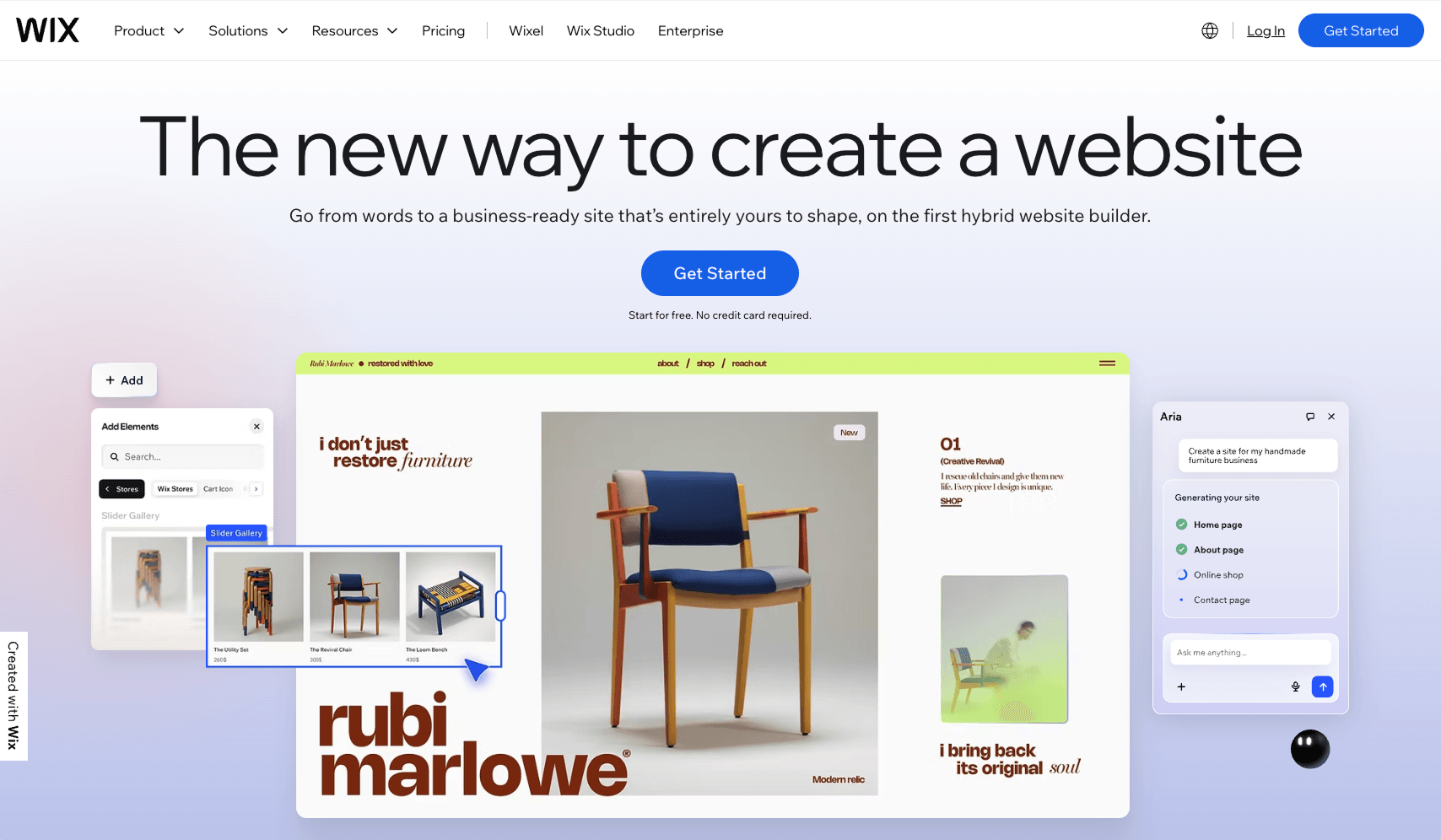
Wix operates as a hosted website builder with integrated commerce features, making it attractive for smaller brands or design-focused businesses. The platform excels in quick setup and visual design flexibility, allowing merchants to create appealing storefronts for custom products without extensive technical knowledge.
Product customization capabilities on Wix work well for straightforward personalization needs. The platform supports various customization integrations, though it's less suited for highly complex configurations or advanced business rules.
Advantages include:
Exceptional ease of use
Quick time-to-market
Strong design tools
Professional-looking stores that highlight customizable products effectively
Limitations emerge with complex product catalogs, advanced workflow requirements, or sophisticated pricing logic. Wix works best for businesses with relatively simple customization needs who prioritize design and ease of use.
Kickflip integrates with Wix, enabling visual product customization for brands using this platform.
Platform Comparison for Product Customization
BigCommerce vs Shopify
Shopify's app ecosystem significantly outpaces BigCommerce for product customizer options. While BigCommerce offers some customization apps, Shopify provides multiple mature, feature-rich solutions with strong user reviews and ongoing development support.
Usability differs notably when setting up customizable products. Shopify's interface and app integration processes generally offer smoother experiences for merchants implementing product configurators. The platform's variant handling, while limited to 100 standard variants, can be extended through specialized tools.
For visual product personalization, Shopify's ecosystem provides more sophisticated options with better integration capabilities and design flexibility.
BigCommerce vs WooCommerce
WooCommerce's open-source foundation provides unlimited flexibility for product data structure and customization flows. Merchants can modify every aspect of the product configuration experience, from data storage to checkout processes.
The hosting and plugin ecosystem advantages become apparent when implementing advanced configurators. WooCommerce's architecture accommodates sophisticated customization logic without platform constraints that might limit BigCommerce implementations.
WooCommerce becomes the better fit when businesses need maximum control over customization workflows, data management, or integration with specialized manufacturing or fulfillment systems.
BigCommerce vs Emerging Platforms
Platforms like Wix offer superior design flexibility and faster implementation for visual customization experiences. However, they typically provide less sophisticated options for complex product configurations or advanced business rules.
The merchant profile matters significantly in these comparisons. Businesses prioritizing quick setup and design appeal often find better fits outside BigCommerce, while those needing complex configurations might require more robust alternatives.
Migration and Implementation Strategy
Planning Your BigCommerce Exit
Successful platform migration begins with comprehensive inventory analysis, focusing particularly on customizable SKUs and their current configuration options. Document existing product options, pricing rules, and any custom logic currently implemented through apps or custom development.
Map your current customization workflows to understand which platform features and third-party tools will be required. This analysis helps identify the most suitable target platform based on the criteria discussed earlier.
Create a migration timeline that accounts for:
Design work
Data transfer
App setup
Thorough testing before launch
Implementing Product Customizers
Research and shortlist product customizer solutions based on your specific requirements. Key evaluation criteria should include:
Feature completeness
Integration quality
Performance impact
Mobile optimization
Vendor support quality
Ask potential vendors about performance benchmarks, support response times, integration complexity, and upgrade policies. Request demonstrations using your actual product types to evaluate user experience quality. You want to see a real team behind the product, not just a cookie cutter solution.
Test thoroughly across devices, browsers, and user scenarios before full implementation. Pay particular attention to mobile experience, as mobile commerce continues growing rapidly.
Launch and Optimization
Implement soft launch strategies or A/B testing to compare customization experiences and measure impact on key metrics. Monitor conversion rates, average order values, and customization adoption rates closely during initial weeks.
Optimize based on user behavior data and feedback. Common optimization areas include:
Reducing configuration steps
Improving mobile experience
Refining pricing transparency
Establish ongoing optimization processes to continuously improve the customization experience as you gather more user data and business insights.
Transform Your Product Customization Experience
Choosing the right BigCommerce alternative represents just the first step toward superior product customization. The real transformation happens when you combine the right platform with specialized tools designed specifically for visual product configuration.
Kickflip's product configurator software works seamlessly with leading BigCommerce alternatives to create the engaging, conversion-optimized customization experiences your customers expect. Whether you choose Shopify for its ecosystem strength, WooCommerce for maximum flexibility, or Wix for design simplicity, Kickflip adapts to enhance your chosen platform's capabilities.
Ready to see how the right platform and configurator combination can transform your business? Book a demo to explore how Kickflip can deliver the advanced product customization experience that makes switching platforms worthwhile.
Frequently Asked Questions
What is BigCommerce?
BigCommerce is a hosted ecommerce platform that provides online store functionality, payment processing, and product management tools. It serves as an all-in-one solution for merchants wanting to sell products online without managing their own hosting or technical infrastructure. You can learn more from their own resource on ecommerce platforms.
What is the best BigCommerce alternative?
The best alternative depends on your specific needs, but Shopify (Shopify plus) and WooCommerce consistently rank highest for merchants prioritizing product customization. Shopify offers the best balance of usability and app ecosystem strength, while WooCommerce provides maximum flexibility for complex requirements.
What is a BigCommerce product customizer and how does it work?
A BigCommerce product customizer is a tool that lets shoppers personalize products with options like colors, text, images, and materials directly in your BigCommerce store. These tools typically provide live previews, dynamic pricing updates, and integrate with your checkout process to handle customized orders.
What is the best BigCommerce alternative if I sell highly customizable products?
For highly customizable products, Shopify with a dedicated product configurator like Kickflip typically provides the best combination of platform capability and customization power. WooCommerce offers more flexibility for extremely complex requirements, while Adobe Commerce serves enterprise-scale needs.
Does Shopify have better product customizer apps than BigCommerce?
Yes. Shopify's app ecosystem includes significantly more mature, feature-rich product customizer options compared to BigCommerce. The platform offers multiple high-quality solutions with better integration capabilities and ongoing development support.
Should I switch from BigCommerce to WooCommerce or Shopify for product personalization?
Shopify generally offers the best combination of ease-of-use and customization capability for most merchants. Choose WooCommerce if you need maximum control over the customization experience or have complex technical requirements. The decision depends on your technical resources, customization complexity, and business priorities.
How do I choose a product customizer when moving away from BigCommerce?
Evaluate customizers based on feature completeness, integration quality, performance impact, mobile optimization, and vendor support. Test solutions with your actual products, request demonstrations, and verify that the tool can handle your specific customization requirements and business rules. Look for a real team behind the product that's committed to your success, not just a faceless app.
Future reading
What is Shopify Plus: Differences & When It’s Time To Upgrade
What is WooCommerce?
What Is BigCommerce? Complete Ecommerce Guide for 2026
Share This article

Written by Édouard Grondin-Fortin
February 15th, 2026
Édouard is the Marketing Director at Kickflip, a product configurator for ecommerce brands. He works with merchants and agencies to implement product customization strategies that improve conversion rates and drive revenue growth. His expertise spans SaaS growth, ecommerce, and go-to-market strategy.


Maarten Luyckx
Osaka World
The user-friendly interface of Kickflip, combined with excellent customer service, ensured that this project was brought to a successful and beautiful conclusion.
Shopify App Store
May 20, 2021

Marie-Laetitia Rossazza
My Dust Bag
It took me a long time to find the perfect customizer app, and I’m so happy to say that I finally did! Kickflip is truly the best app on the market. The front end and back end are excellent, and the team behind it is incredibly kind and helpful!
Shopify App Store
September 1, 2023

Brad Jurga
All-Star Sporting Goods
Kickflip made everything easy, from designing the builder all the way through launch. We’re designing truly custom equipment for elite baseball players and this platform allows us to have better engagement and excitement around our brand. We’re seeing an instant return.
Shopify App Store
June 16, 2025

Kasper Taylor
CodedInk
My experience with both the product and the support team has been fantastic. The user interface and user experience are excellent. The features are powerful, and the WooCommerce integration is seamless and easy to set up.
G2.com
June 16, 2025

Saber Naceur
Vinylacy
By far, and I truly mean it, the best customizer available on Shopify. It’s easy to understand and manage, offers options for all types of products, and works extremely well. On top of that, it looks beautiful and feels premium. Highly recommended.
Shopify App Store
December 17, 2022

Jesus Guillermo de León Pérez
Dismo
Kickflip is a fantastic tool. It’s super intuitive, easy to use, and packed with capabilities. You don’t have to be an expert or have experience with other products to get started. The support team is also great and very responsive.
Shopify App Store
July 10, 2024

Frieder Urban
Era of Arc
We were looking for an uncomplicated configurator that was quick and easy to set up, offered plenty of design options, and worked reliably with fast loading times. We tested many configurators on the market, and with Kickflip, we found exactly what we needed.
Shopify App Store
October 10, 2024

John Taggart
Jack Harry and Ollie
What a great addition to our business Kickflip has been. It’s been fantastic to offer our customers the ability to personalize their orders. The support has been excellent, and we especially love that the pricing is tied to our success as customers make purchases.
Shopify App Store
May 7, 2021

TJ Garske
The Net Return
Kickflip saves our team a ton of time by eliminating the need to create custom mockups for customers. Customers can build their product themselves and place an order instantly, without any back-and-forth.
G2.com
January 26, 2026

Amin Hasani
CURVD
After extensive research into product customizer tools, we chose Kickflip for many reasons. We don’t like complicating simple tasks for customers, and Kickflip helped us simplify the process and create a seamless customer experience.
Shopify App Store
July 29, 2025